See the moment before it becomes a statistic.
Cumulant helps traffic engineers and Vision Zero teams analyze pedestrian conflicts, yielding behavior, and near misses, with video evidence for intersection safety reviews.
Book a demoWhy the biggest road safety risks
escape the report
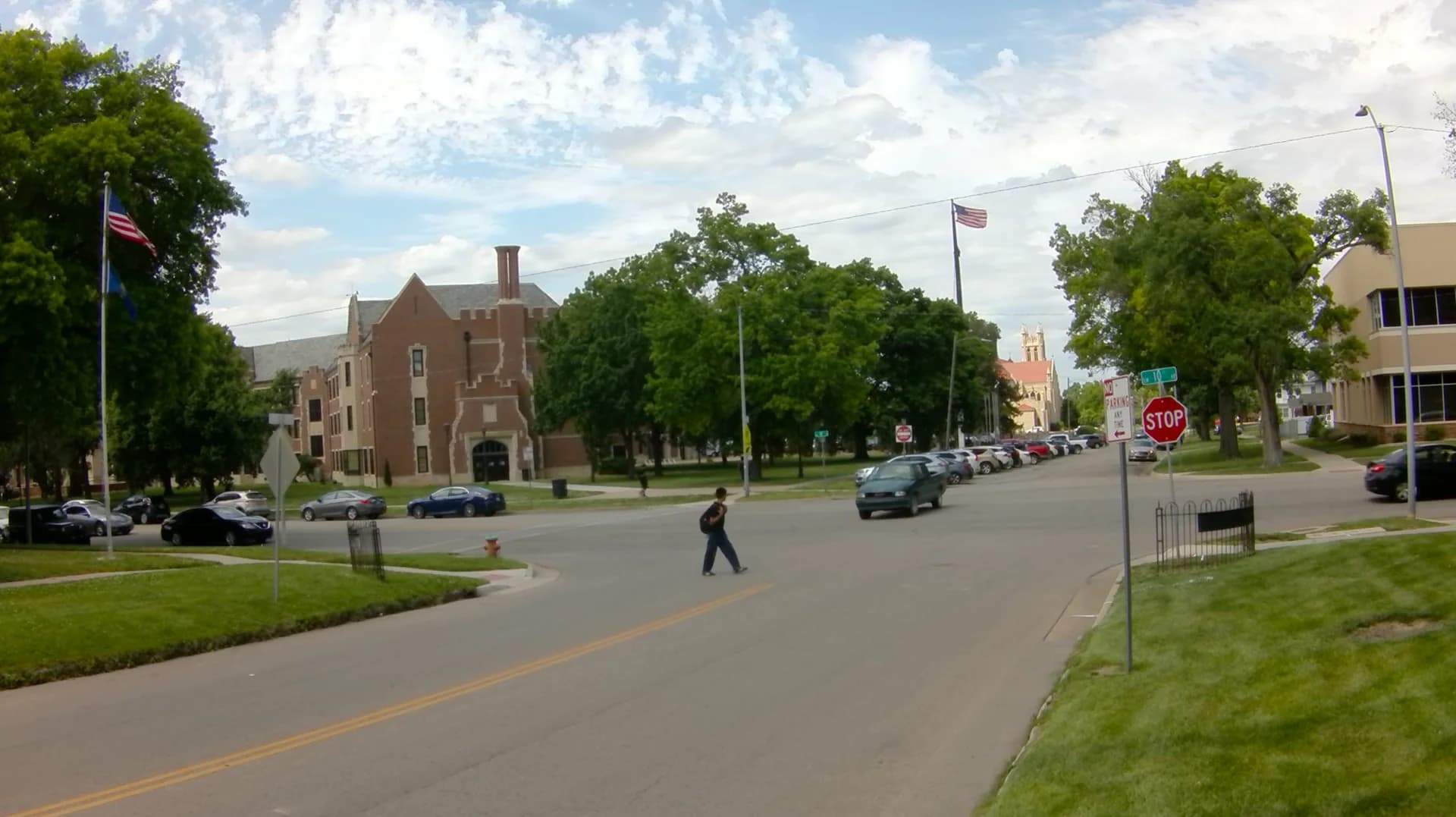
A quiet record.
Crash history captures reported outcomes.
Reported crashes
0
Recorded outcomes
Act on risk before it becomes crash history
Crash reports document where harm occurred. Cumulant measures near misses, unsafe interactions, and recurring conditions at a specific site so agencies can identify where action may be needed sooner.
Crash history records outcomes
Crash records remain essential, but serious events are infrequent and reliable patterns can take years to emerge.
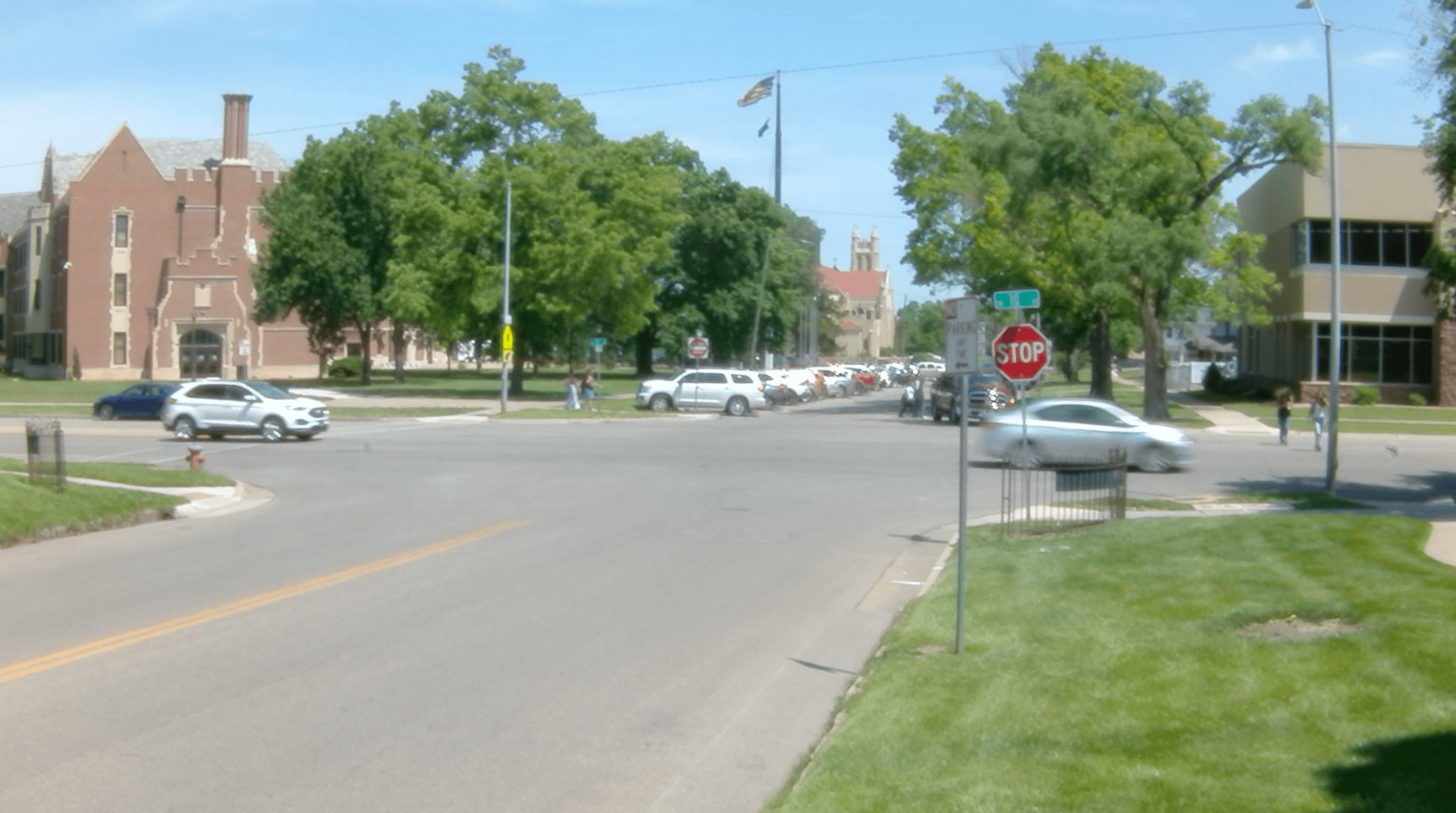

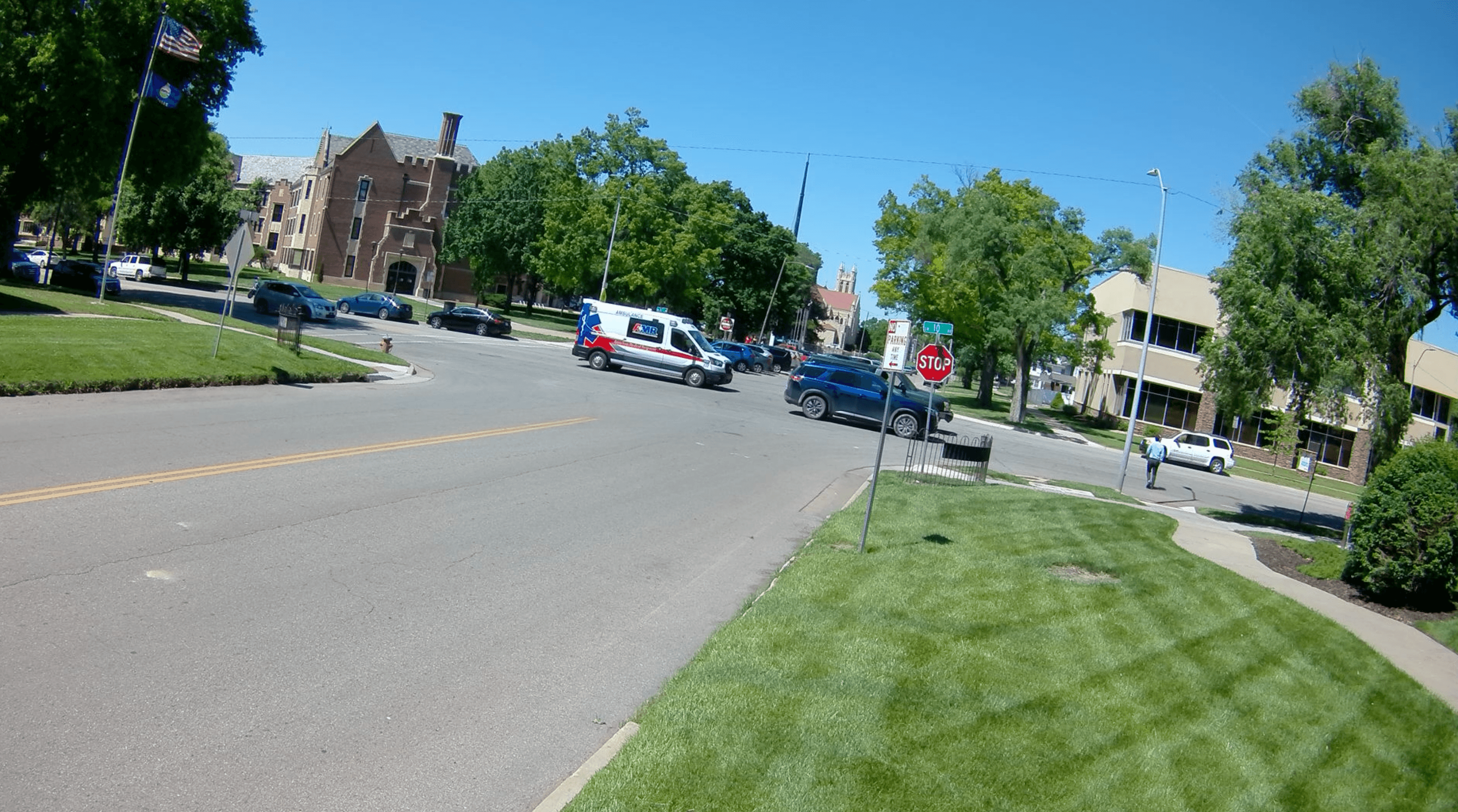

Detects risks before they turn to injuries
Cumulant detects potential conflicts, yielding failures, evasive movements, and other observable interactions that provide earlier evidence of risk.
Site-level observation shows what is happening
Network data can identify where to look. Cumulant connects each event to the movements, road users, timing, visibility, and street geometry at that location.
Realtime Safety Intelligence in Action
Deploy to sites where users are vulnerable
Apply the same study method wherever street design, timing, and local behavior shape exposure.
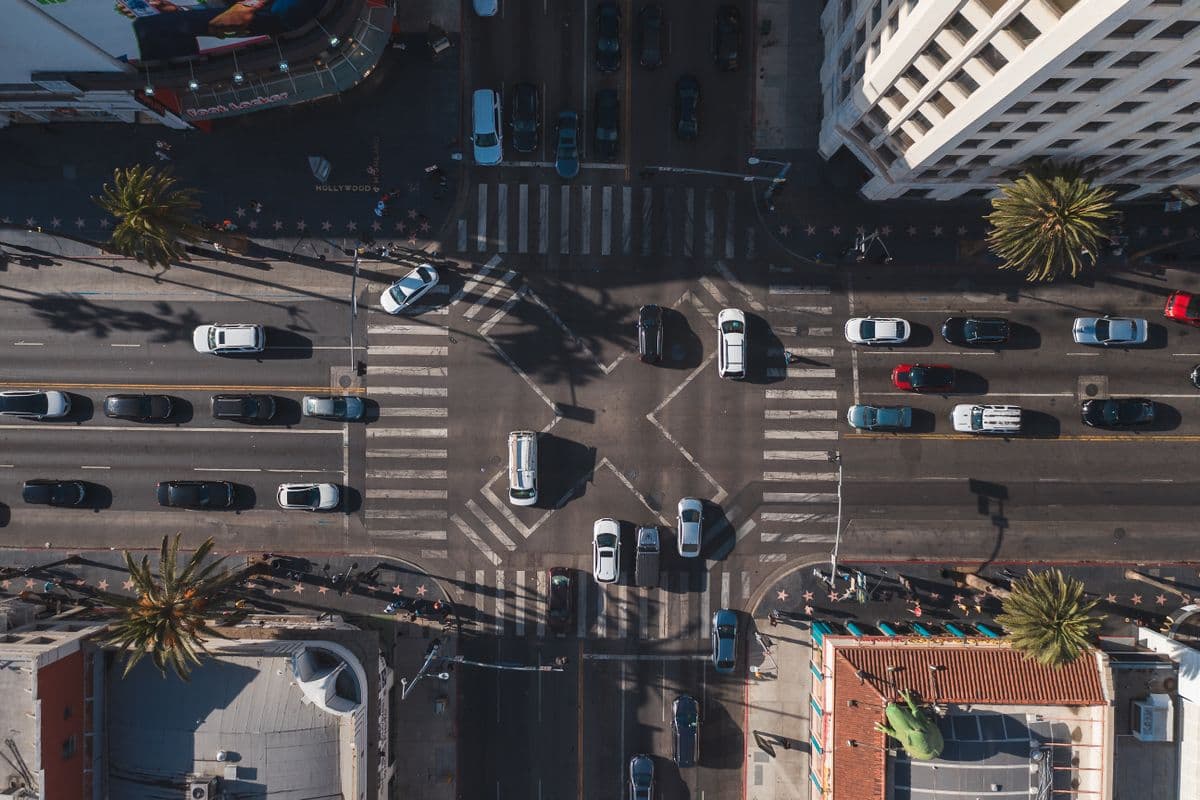 IntersectionsWhich movements and time periods produce repeated conflicts?
 School zonesWhere are students and pedestrians exposed during arrival and dismissal?
 CorridorsHow does risk change across locations and operating periods?
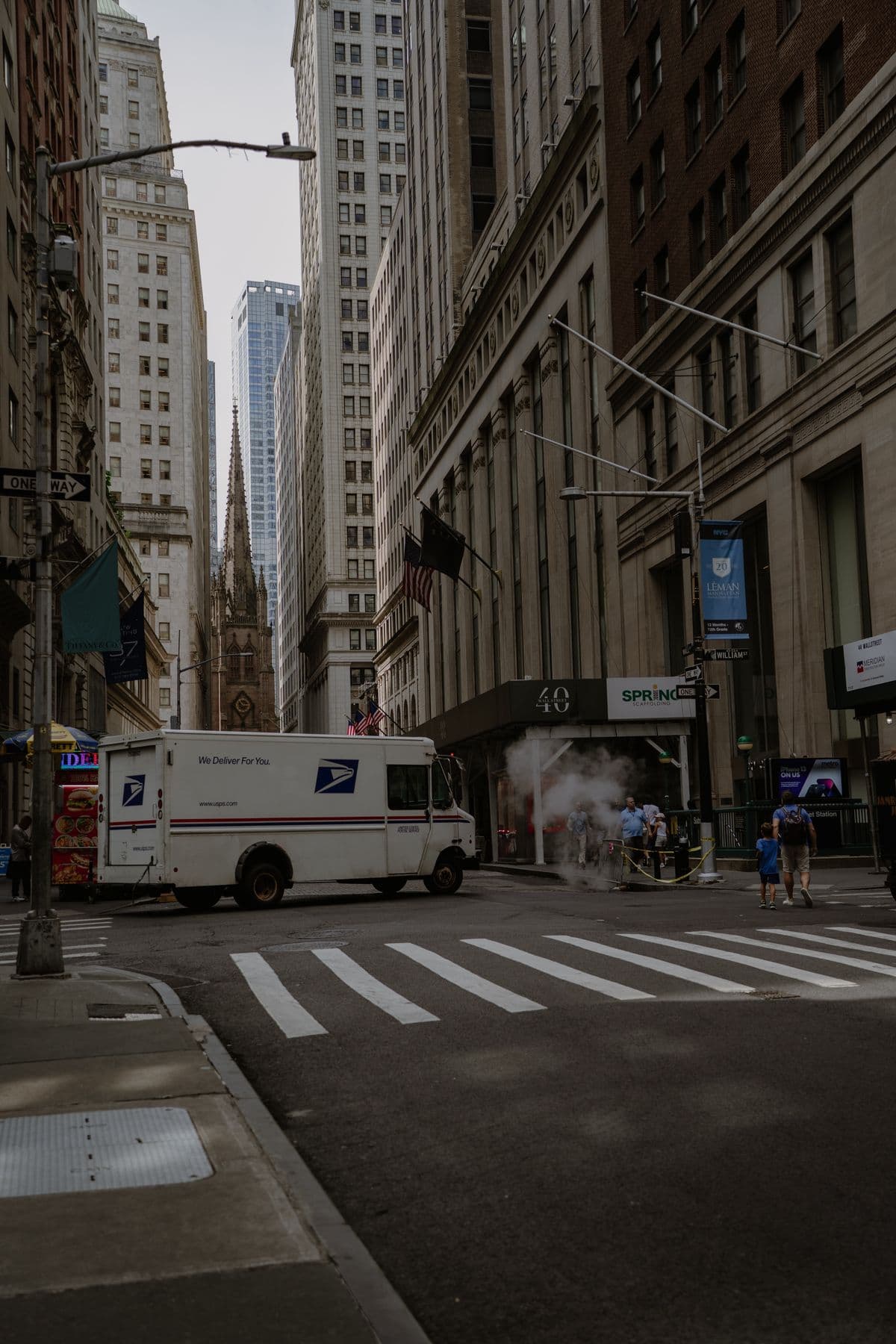 CurbsHow do loading, pickup, and stopping behavior affect visibility and movement?
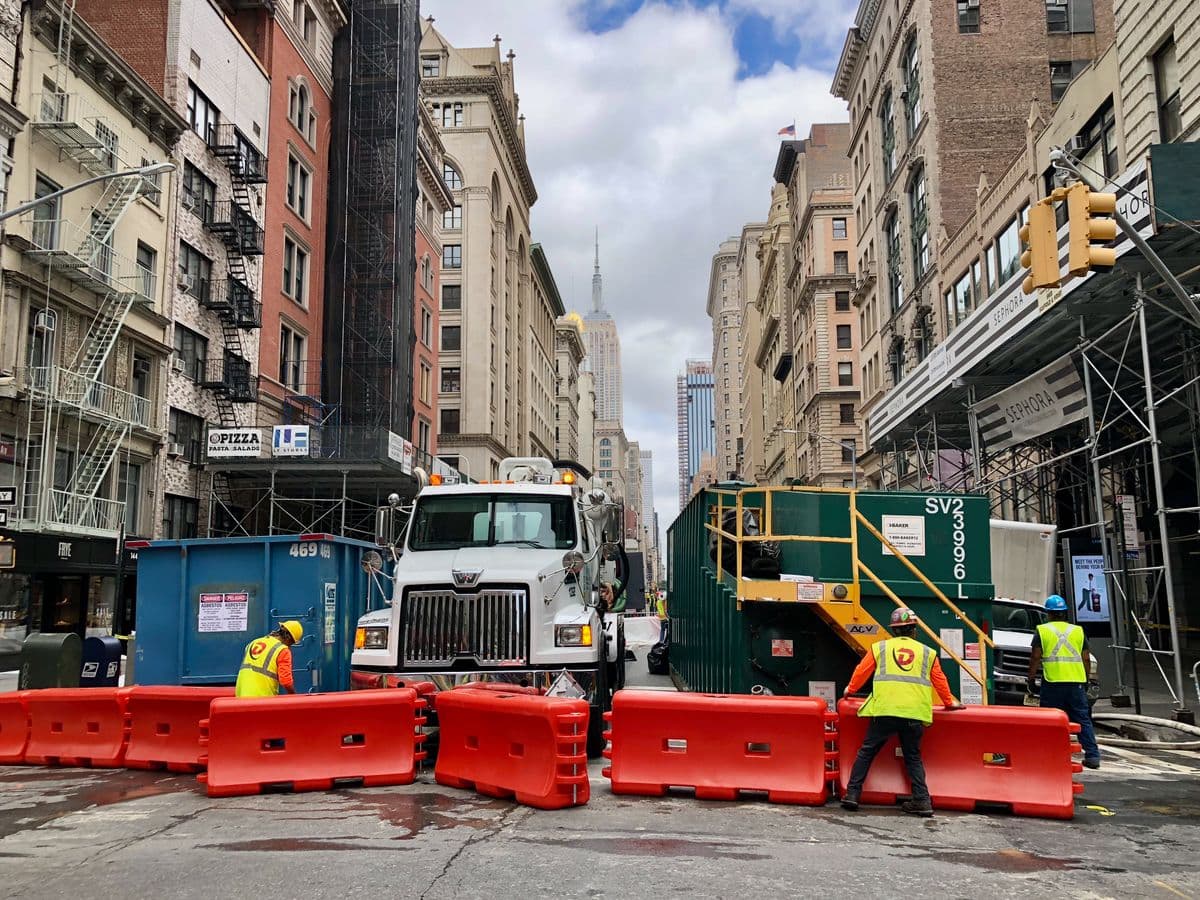 Work zonesHow do temporary street changes alter movement and exposure?
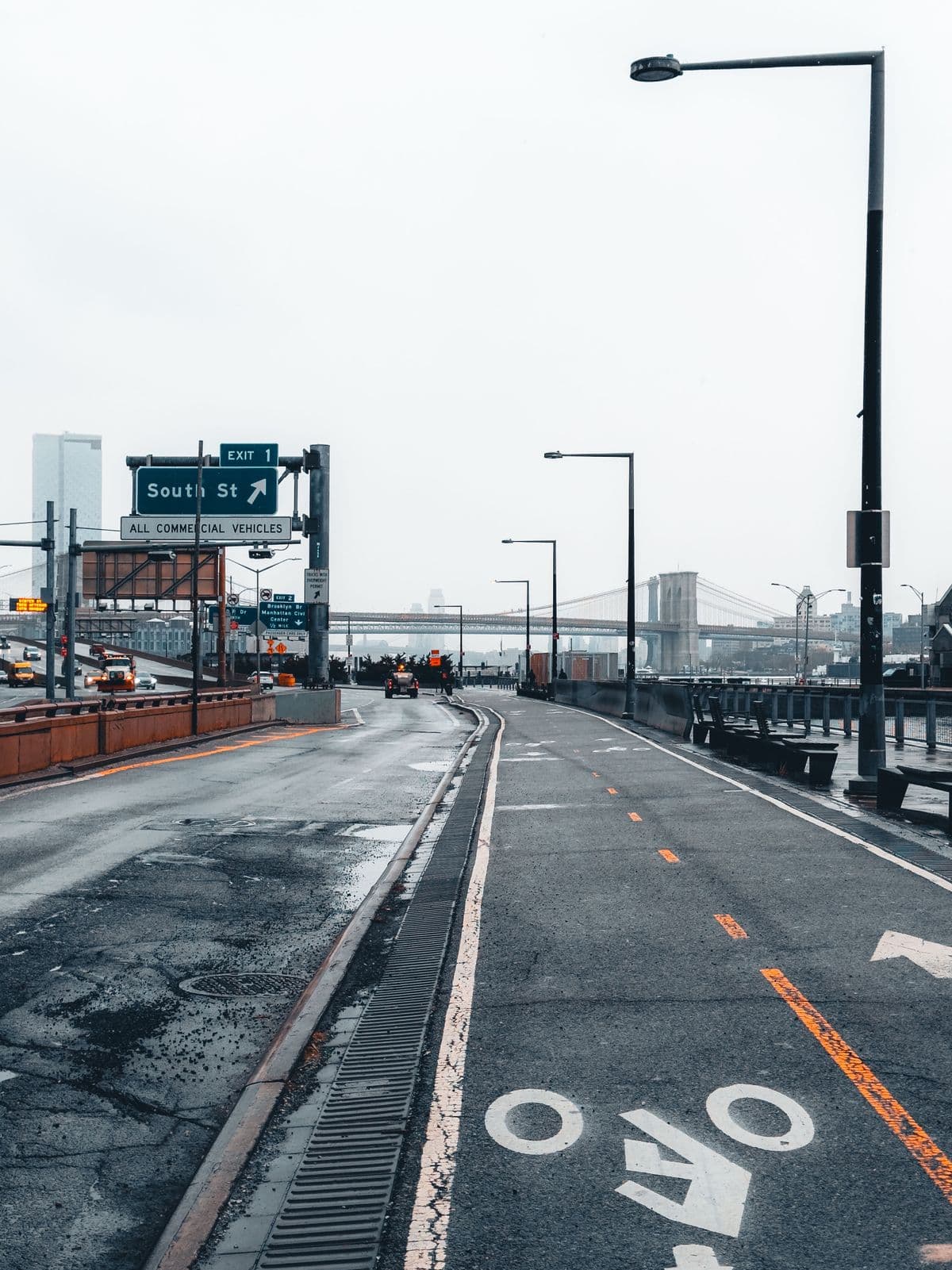 Bike-lane expansionDo new facilities reduce exposure and unsafe interactions?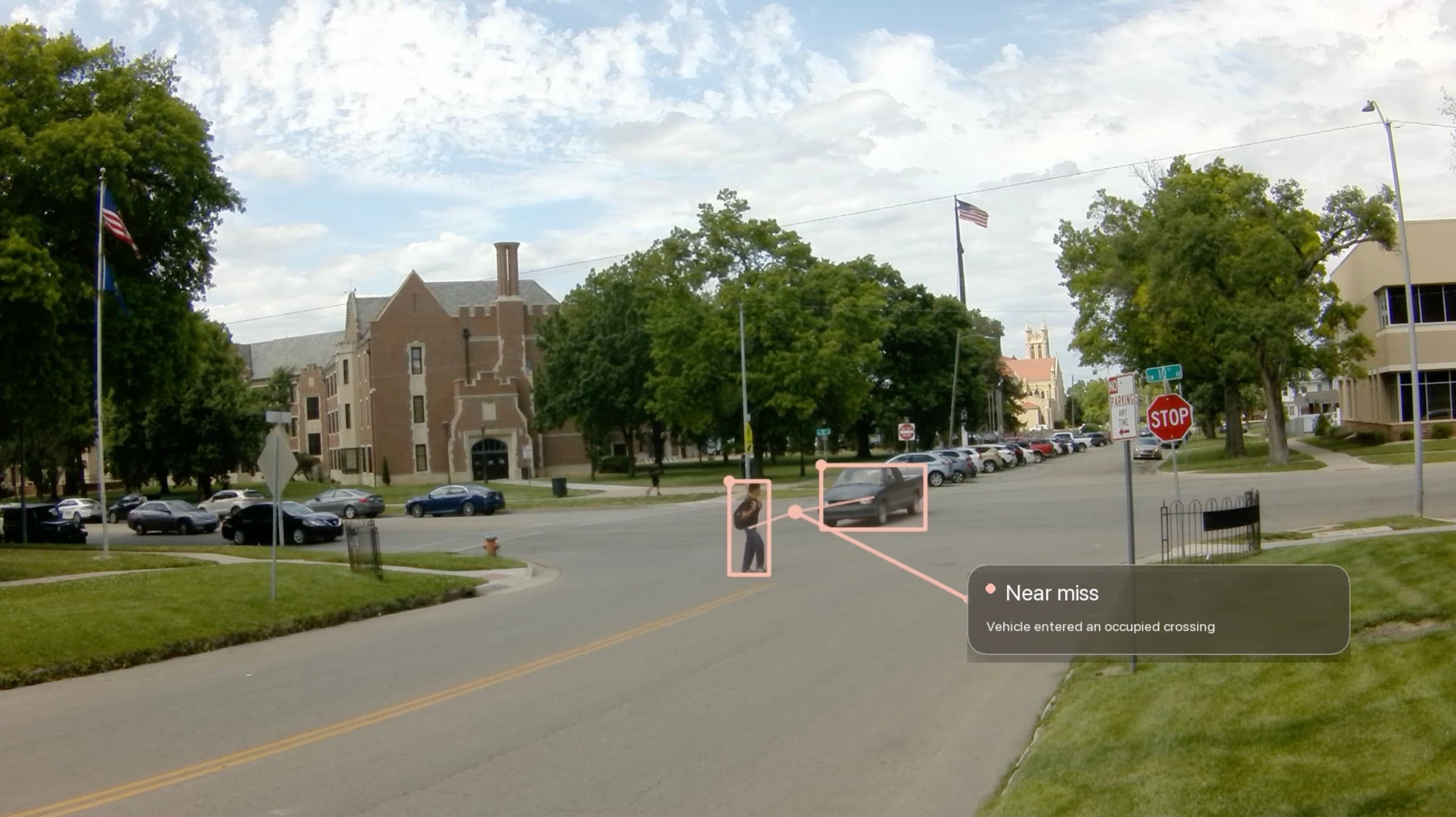
Direct observation made recurring behavior visible at 10th and Polk
A two-week portable study connected each reviewed event to its time, place, and surrounding movement near Topeka High School.
- Question
- What roadway behaviors were exposing students and pedestrians to risk?
- Observed
- Movement, yielding, braking, conflicts, and other scoped behavior
- Result
- Repeated failure-to-yield, near-miss, and rapid-braking events became inspectable
Bring us one intersection, corridor, or safety question
We’ll help define the smallest site-specific study that can support a real decision.
Book a demo